The biggest IT show, CES(Consumer Electronics Show) took place from January 6th till 9th of January.
The 5 keywords of this year were ‘physical AI’, ‘Space computing’, ‘Digital Health’, ‘Mobility’, and ‘Smart Home’. CES 2026 brings together more than 148,000 attendees and over 4,100 exhibitors, which clearly conveys how central consumer tech has become to our lives.
According to NVIDIA, ‘Physical AI’ lets autonomous systems like cameras, robots, and self-driving cars perceive, reason, understand, and orchestrate complex actions in the physical world around us. The reason why it is so powerful is that it enables new capabilities that will transform every industry, such as robots, autonomous vehicles, and smart spaces (factories and warehouses). This is a clear differentiation from last year’s CES, where they highlighted agent AI.
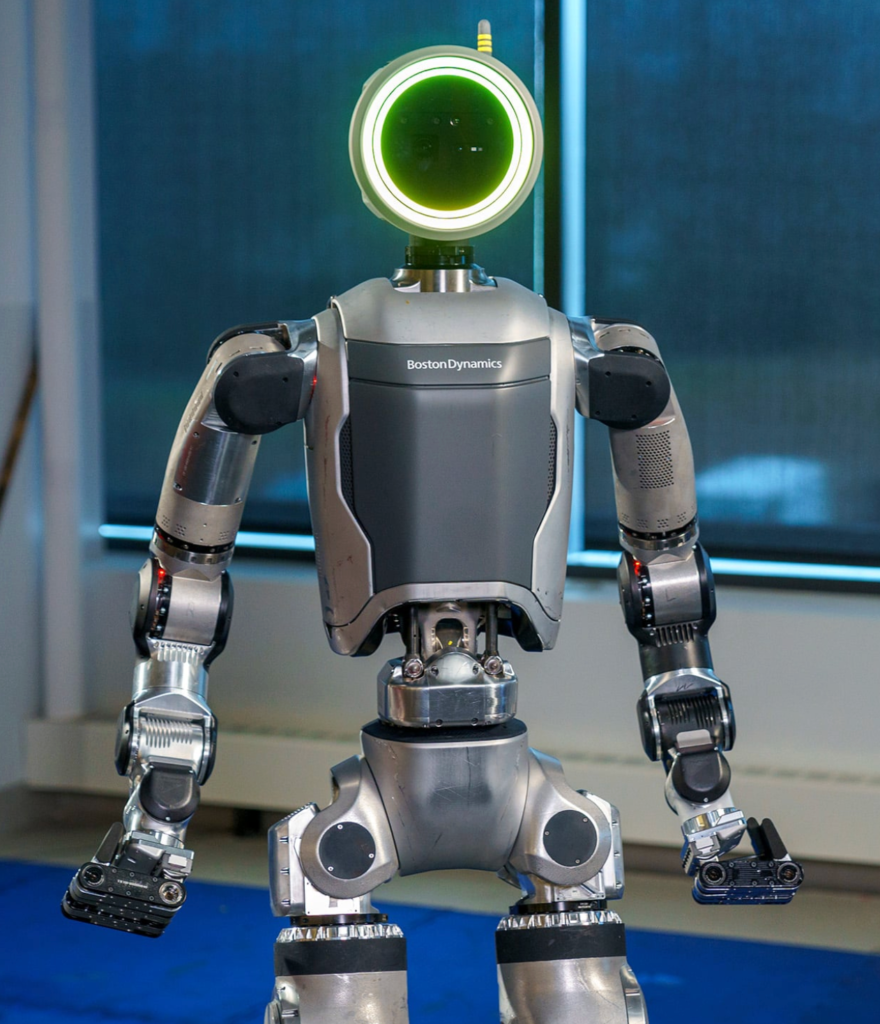
At CES 2026, this meant AI‑driven home robots, stair‑climbing vacuums, and assistive wearables that use machine learning to understand environments and user behavior, then respond in real time. The focus shifted from AI as software to AI embodied in machines that move, sense, and collaborate with people. A strong physical AI example was Hyundai/Boston Dynamics’ latest ‘Atlas humanoid robot’, which walked with fluid, human‑like motion using 56 degrees of freedom and tactile‑sensing hands to manipulate objects on the show floor.
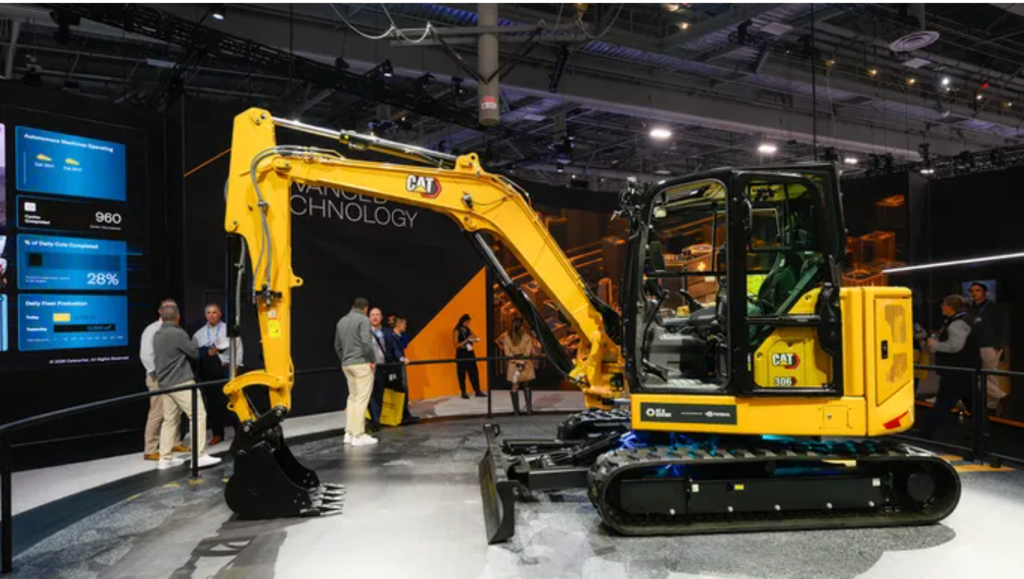
Caterpillar unveiled a new partnership with NVIDIA, “CAT AI assistant”. Cat AI essentially aids the construction site workers in solving the toughest challenges on-site. This was a major step forward for industrial AI, enhancing efficiency and productivity for construction workers and various companies. Such founding is crucial for business owners and technicians. For business owners, Cat AI recommends helping to turn unplanned incidents into planned maintenance. For technicians they provide step-by-step guidance on repairs and suggest additional parts that are needed to complete the job.
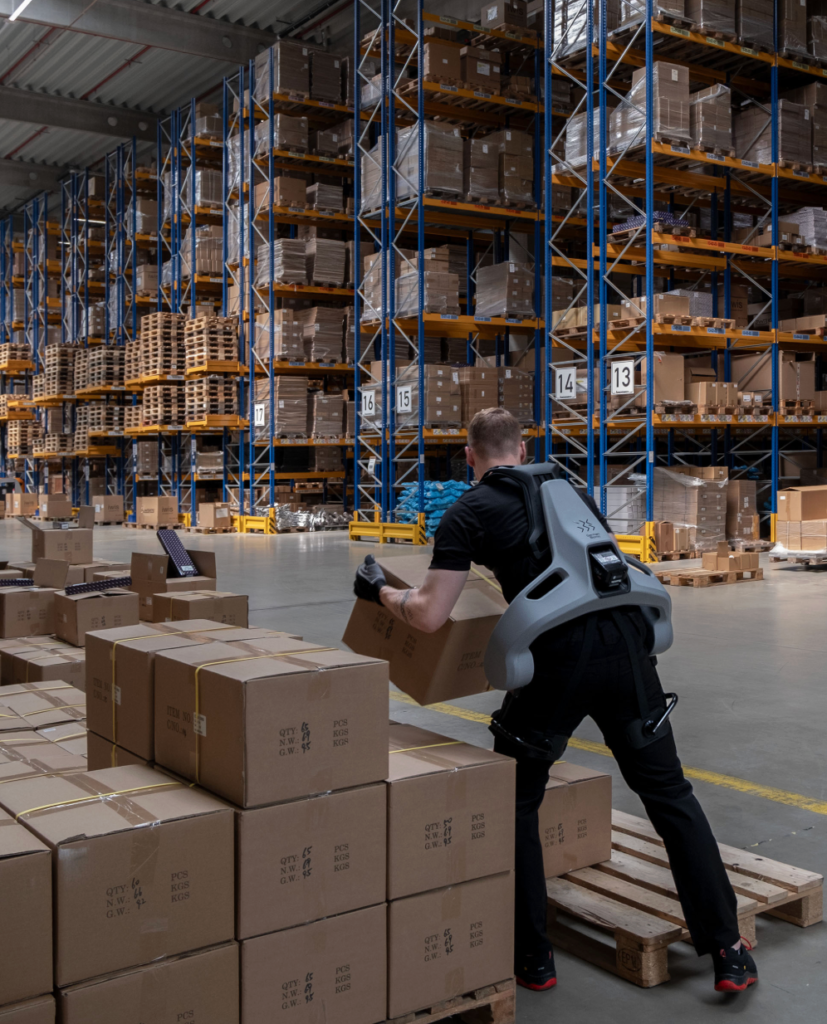
In digital health, German Bionic’s Exia also fits as a health‑oriented physical AI device, assisting with patient mobilization and heavy care tasks while continuously adapting to each user’s movement patterns. More broadly, exoskeletons and gait‑assist wearables highlighted at CES 2026 targeted musculoskeletal strain and mobility, aiming to cut fatigue and support preventive health in logistics, nursing, and industrial work. With ‘Exia’, people working in labor-intensive environment could work safer by taking strain off people with weight compensation up to 38kg per lifting movement. It also helps to prevent injuries and musculoskeletal disorders(MSDs).
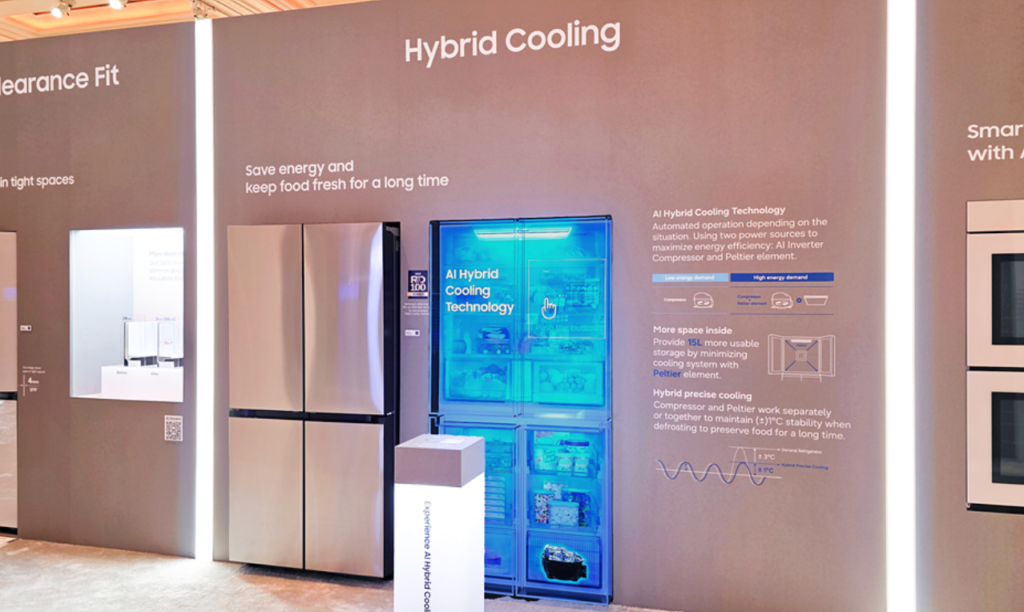
For smart home, EcoFlow’s Smart Home Energy System—shown in partnership with LG’s Homey platform—unified solar generation, home batteries, household circuits, and smart appliances into one intelligent control hub that automates loads, prioritizes critical devices, and optimizes usage based on tariffs and solar output. Samsung also demonstrated AI Hybrid Cooling in its home appliances, a system that detects usage conditions and dynamically switches between an inverter compressor and a Peltier element to cut energy use while maintaining cooling performance. Along with LG’s new CLOiD AI Home Robot that aids with house chores, the amount of burden and chores that people have to do has been incredibly reduced.
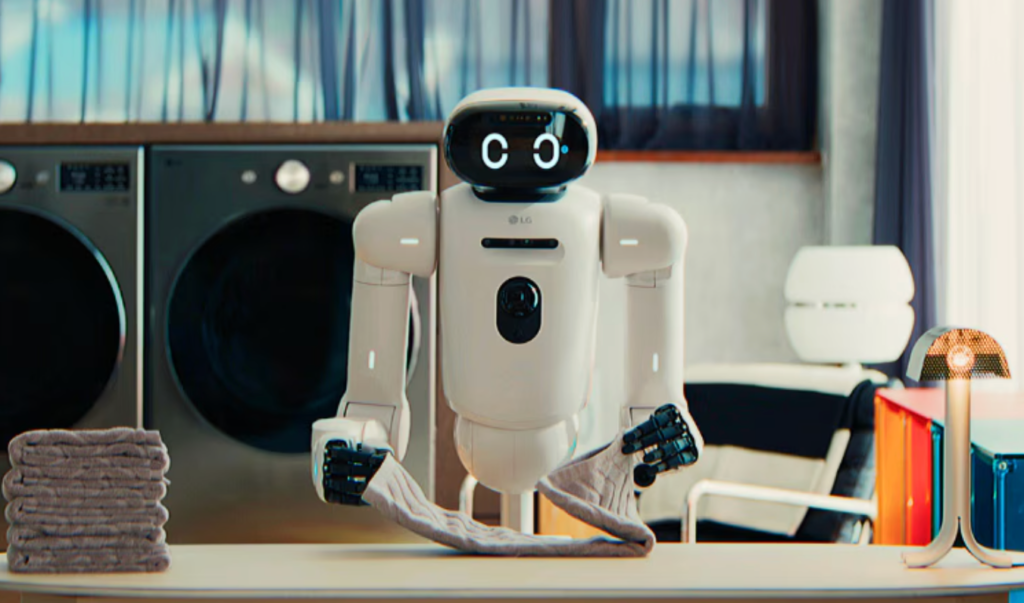
To put all in a nutshell, the CES 2026 highlighted that AI is no longer confined to scenes but rather expanding into physical spaces where people work and live. CES 2026 ultimately showed that consumer technology is no longer confined to screens, but is expanding into the physical spaces where people live and work. From physical AI robots and industrial assistants to digital health exoskeletons and integrated smart homes, each of this year’s five keywords translates into concrete products that directly reduce physical strain, improve safety, and streamline everyday tasks. Together, these innovations suggest a near future in which autonomous systems quietly orchestrate our environments, whether on construction sites, in hospitals, or at home, allowing humans to focus less on routine labor and more on higher‑value, creative, and relational work.
<Works Cited>
https://www.nvidia.com/en-us/glossary/generative-physical-ai
“Boston Dynamics & TRI Announce Partnership | Boston Dynamics.” Boston Dynamics, 16 Oct. 2024, bostondynamics.com/news/boston-dynamics-toyota-research-institute-announce-partnership-to-advance-robotics-research/.
Compton, Sophia. “Construction Giant Unveils AI to Help Prevent Job Site Accidents: “It’s Essentially a Personal Assistant.”” Fox Business, 9 Jan. 2026, www.foxbusiness.com/fox-news-tech/construction-giant-unveils-ai-help-prevent-job-site-accidents-essentially-personal-assistant. Accessed 13 Jan. 2026.
“Caterpillar Introduces Cat AI Assistant.” Https://Www.caterpillar.com/En/News/Corporate-Press-Releases/H/Cat-Ai-Assistant.html, 2026, www.caterpillar.com/en/news/corporate-press-releases/h/cat-ai-assistant.html. Accessed 13 Jan. 2026.“EXIA from German Bionic – EPAR-Service GmbH.” EPAR-Service GmbH – Exoskeletons and Ergonomic Products, 10 Aug. 2025, epar-service.com/en/exia-from-german-bionic/.
Leave a Reply